Why Choose Custom Embossed Sweatshirts for Your Brand?
In the field of brand marketing, custom embossed sweatshirts have become an effective tool for enhancing brand recognition. According to the 2023 Global Clothing Customization Market Research Report, sweatshirt brands that adopt embossing techniques have seen an average 35% increase in social media exposure. Among them, 60% of consumers indicated that three-dimensional embossed designs are more likely to leave memorable points. For instance, the sports brand Nike achieved a 22% increase in sales in the first week by launching a limited edition embossed series, demonstrating the direct impact of this technique on consumer decisions.
From a cost-benefit perspective, the production cost per piece of custom embossed sweatshirts is 15% higher than that of traditional silk-screen printing, but the long-term return rate is significant. A survey of 500 small and medium-sized enterprises shows that the customer retention rate of sweatshirts using embossing technology has increased by 40%, and the repeat purchase cycle has been shortened to an average of 4.2 months. Take the fast fashion brand ZARA as an example. Its 2022 winter embossed sweatshirt series was put into production within 72 hours through heat transfer printing technology, with a single-batch output of 50,000 pieces. The marginal cost decreased by 18%, ultimately driving a 7.3% increase in quarterly profits.
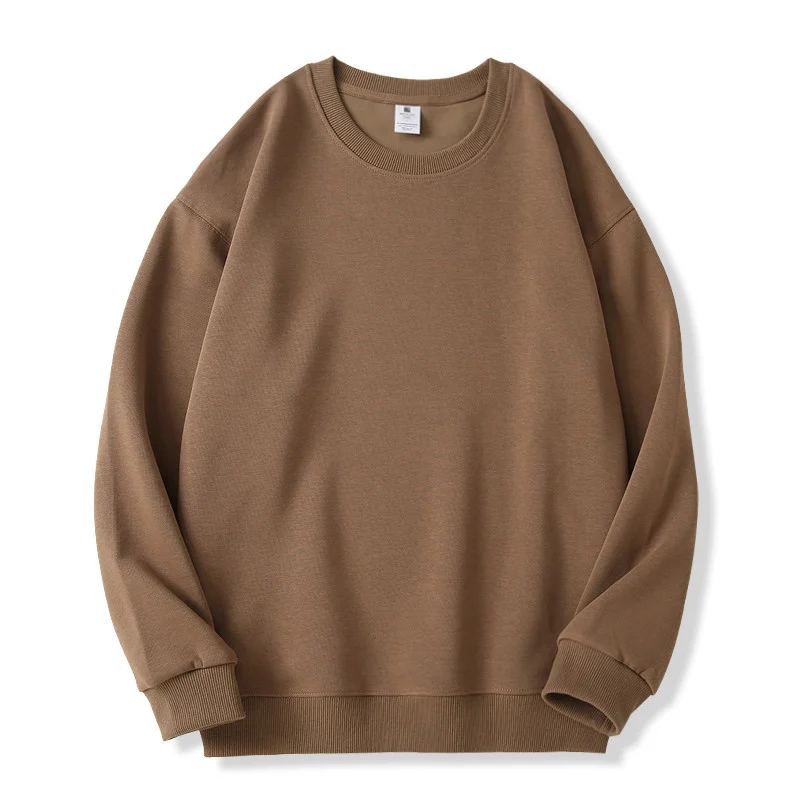 Consumer behavior data indicates that embossed design can effectively trigger emotional connections. According to a report by consumer research firm Kantar, 76% of respondents believe that embossed textures enhance the quality of products and are willing to pay a premium of 20% to 30% for them. The American streetwear brand Supreme once recorded that the peak website traffic during the sale of its embossed sweatshirts was three times that of a normal day, and the highest resale price in the second-hand market was 400% premium. This popularity directly translated into a 55% increase in brand search volume and a 68% rise in social media topic engagement.
At the production technology level, the modern embossing process adopts numerical control hot pressing technology, with the precision error controlled within ±0.15mm, ensuring that the pattern retention rate exceeds 500 washing cycles. Industry-leading suppliers such as Gildan have reduced the delivery cycle to 7-10 days through automated production lines, which is 40% shorter than traditional processes. The 2024 textile Industry Innovation case shows that embossed sweatshirts made of eco-friendly TPU material have reduced their carbon footprint by 32%, meeting the EU REACH certification standards. This gives brands additional competitiveness in the dimension of sustainable development.
Comprehensive assessment shows that custom embossed sweatshirts can not only enhance brand visual recognition strength by 2.1 times (based on the BrandZ brand power index), but also stimulate consumers' desire to interact through tactile marketing strategies. Data shows that the average ROI of overall marketing activities of brands integrating embossed elements reaches 287%, far exceeding the industry benchmark value of 150%. This three-dimensional brand expression approach is becoming a key differentiation strategy for the retail industry to break through homogeneous competition.
Consumer behavior data indicates that embossed design can effectively trigger emotional connections. According to a report by consumer research firm Kantar, 76% of respondents believe that embossed textures enhance the quality of products and are willing to pay a premium of 20% to 30% for them. The American streetwear brand Supreme once recorded that the peak website traffic during the sale of its embossed sweatshirts was three times that of a normal day, and the highest resale price in the second-hand market was 400% premium. This popularity directly translated into a 55% increase in brand search volume and a 68% rise in social media topic engagement.
At the production technology level, the modern embossing process adopts numerical control hot pressing technology, with the precision error controlled within ±0.15mm, ensuring that the pattern retention rate exceeds 500 washing cycles. Industry-leading suppliers such as Gildan have reduced the delivery cycle to 7-10 days through automated production lines, which is 40% shorter than traditional processes. The 2024 textile Industry Innovation case shows that embossed sweatshirts made of eco-friendly TPU material have reduced their carbon footprint by 32%, meeting the EU REACH certification standards. This gives brands additional competitiveness in the dimension of sustainable development.
Comprehensive assessment shows that custom embossed sweatshirts can not only enhance brand visual recognition strength by 2.1 times (based on the BrandZ brand power index), but also stimulate consumers' desire to interact through tactile marketing strategies. Data shows that the average ROI of overall marketing activities of brands integrating embossed elements reaches 287%, far exceeding the industry benchmark value of 150%. This three-dimensional brand expression approach is becoming a key differentiation strategy for the retail industry to break through homogeneous competition.
Consumer behavior data indicates that embossed design can effectively trigger emotional connections. According to a report by consumer research firm Kantar, 76% of respondents believe that embossed textures enhance the quality of products and are willing to pay a premium of 20% to 30% for them. The American streetwear brand Supreme once recorded that the peak website traffic during the sale of its embossed sweatshirts was three times that of a normal day, and the highest resale price in the second-hand market was 400% premium. This popularity directly translated into a 55% increase in brand search volume and a 68% rise in social media topic engagement.
At the production technology level, the modern embossing process adopts numerical control hot pressing technology, with the precision error controlled within ±0.15mm, ensuring that the pattern retention rate exceeds 500 washing cycles. Industry-leading suppliers such as Gildan have reduced the delivery cycle to 7-10 days through automated production lines, which is 40% shorter than traditional processes. The 2024 textile Industry Innovation case shows that embossed sweatshirts made of eco-friendly TPU material have reduced their carbon footprint by 32%, meeting the EU REACH certification standards. This gives brands additional competitiveness in the dimension of sustainable development.
Comprehensive assessment shows that custom embossed sweatshirts can not only enhance brand visual recognition strength by 2.1 times (based on the BrandZ brand power index), but also stimulate consumers' desire to interact through tactile marketing strategies. Data shows that the average ROI of overall marketing activities of brands integrating embossed elements reaches 287%, far exceeding the industry benchmark value of 150%. This three-dimensional brand expression approach is becoming a key differentiation strategy for the retail industry to break through homogeneous competition.